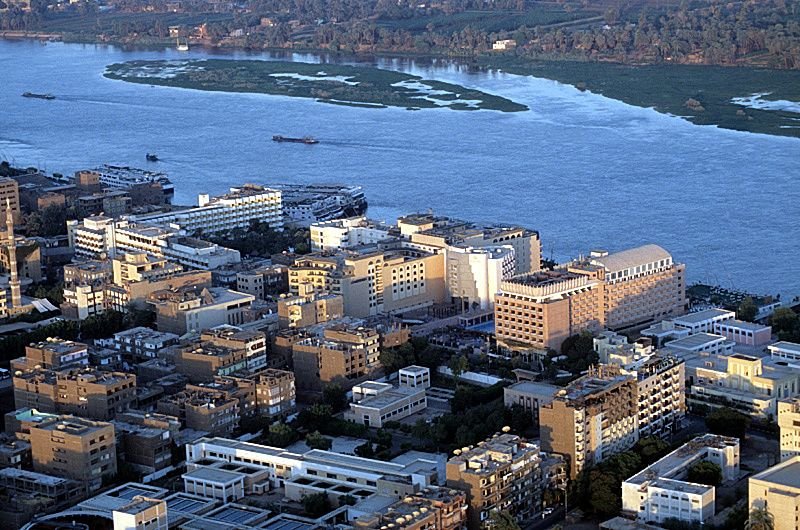
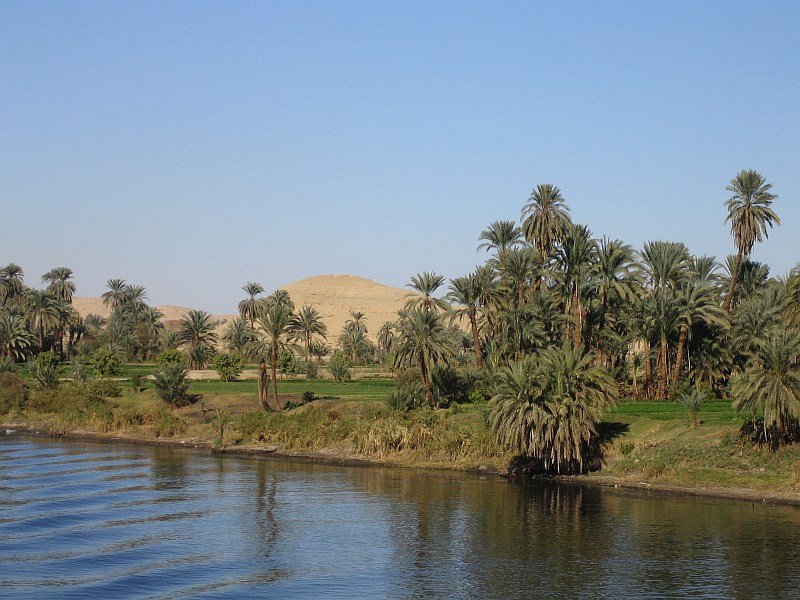
Luxor's essence can be captured in three well-planned days, split geographically across two riverbanks separated by the Nile and thousands of years of history.
Day 1 — East Bank: Karnak and Luxor Temple
Start early (gates typically open around 6-7am) at Karnak Temple, the largest religious complex ever built by ancient hands, expanded over roughly 2,000 years from the Middle Kingdom through the Ptolemaic era. Don't miss the Great Hypostyle Hall with its 134 massive carved columns, the Sacred Lake, and the Avenue of Sphinxes that once linked Karnak to Luxor Temple. Budget at least two to three hours; going early means better light for photos and fewer crowds in the heat. In the evening, head to Luxor Temple in the city centre — smaller but atmospheric, especially after dark when it's fully illuminated, so treat it as a separate post-lunch, post-rest activity.
Day 2 — West Bank: Valley of the Kings and beyond
Cross the Nile early (by public ferry or the Luxor bridge) to the Valley of the Kings, where more than 60 royal tombs were carved over five centuries of New Kingdom rule, most famously Tutankhamun's tomb (KV62). The standard ticket covers entry to three tombs chosen from a rotating open set, while Tutankhamun's tomb and a few other special tombs require a separate additional ticket — check current prices at the gate. Afterward, stop at the towering Colossi of Memnon (a quick, free roadside visit), then Queen Hatshepsut's mortuary temple at Deir el-Bahari, striking for its terraced design carved into the cliffside. With extra time, add the Valley of the Queens or the less-crowded but richly painted Medinet Habu temple.
Day 3 (optional) — something different
Reserve this day for a different kind of experience: a sunrise hot air balloon flight over the West Bank (book ahead, and note flights are sometimes cancelled for wind), a peaceful felucca sail on the Nile at sunset, or wandering Luxor's local souq for souvenirs and spices.
Practical tips: Carry enough water and a sun hat, and wear comfortable shoes — temple grounds are large and involve a lot of walking. Tickets are bought in cash or by card at each site, and certain add-ons (entry to specific tombs, professional camera fees) cost extra. Hiring a licensed guide adds real value for understanding the stories behind the walls, especially in the Valley of the Kings where the iconography is dense with religious symbolism.
Structured this way, three days is enough to see the true heart of Luxor without burning out, while still leaving room to enjoy the quiet of the Egyptian countryside between sites.